

Mastering Landscape Photography: A Comprehensive Guide
Updated: Feb 14
What to Expect from Different Weather Conditions
Weather dramatically changes the mood and technical challenges of landscape photography. Knowing how to adapt will improve your results.
Sunny Days
Bright sunlight creates strong contrasts and vivid colors. Use a polarizing filter to reduce glare and enhance skies. Midday sun can cause harsh shadows, so look for shaded areas or use the sun creatively for silhouettes.
Cloudy and Overcast
Soft, diffused light reduces shadows and evens out exposure. This weather is ideal for capturing details and textures in landscapes like forests or rocky terrain. Colors appear more saturated but less contrasty.
Rain and Storms
Rain adds drama and reflections. Waterproof your gear and use lens hoods to prevent water spots. Storm clouds create moody skies, perfect for dramatic compositions. After rain, puddles and wet surfaces can add interesting reflections.
Fog and Mist
These conditions add mystery and depth by softening distant elements. Use a wide aperture to capture the atmosphere and focus on foreground subjects to create layers.
Snow and Ice
Snow brightens scenes and simplifies compositions. Adjust exposure to avoid underexposed images since cameras tend to darken snowy scenes. Use a tripod for stability in low light and consider warm clothing for yourself.
What Are You Truly Looking For?
Before pressing the shutter, ask yourself what story or feeling you want to convey. Are you drawn to vast open spaces, intricate details, or dramatic skies? Your answer guides your composition and technical choices.
Look for leading lines such as rivers, paths, or fences to draw the viewer’s eye.
Seek natural frames like tree branches or rock formations.
Pay attention to foreground interest to add depth.
Watch how light interacts with the landscape, highlighting textures or creating shadows.
Choosing the Right Type of Landscape Photography
Landscape photography covers many styles. Knowing which type you prefer helps you focus your efforts.
Wide-angle Landscapes
Capture expansive views like mountains, deserts, or coastlines. Use wide-angle lenses (14-24mm) to include more of the scene.
Minimalist Landscapes
Focus on simple compositions with few elements. Telephoto lenses (70-200mm) help isolate subjects and compress distances.
Macro Landscapes
Highlight small details like flowers, leaves, or textures. Macro lenses or close-up filters work best here.
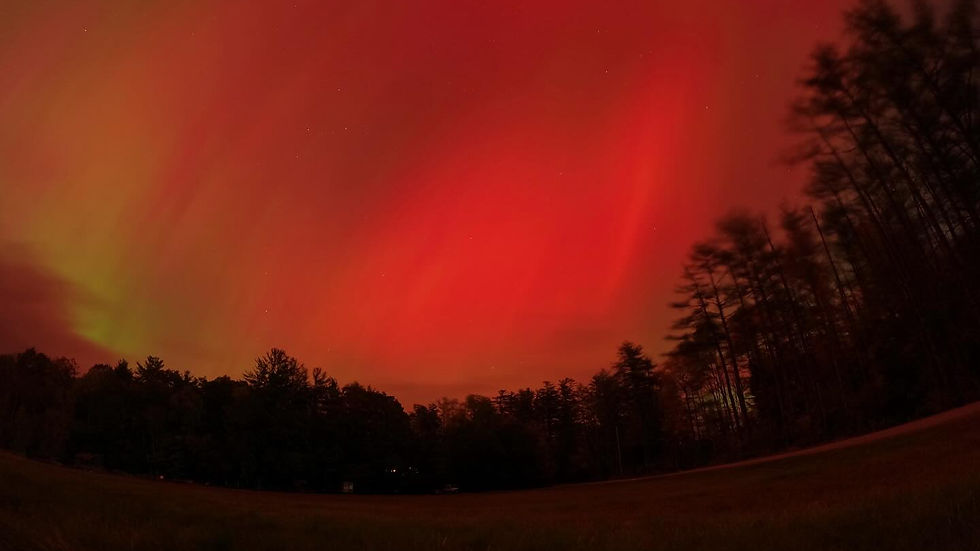
Night Landscapes
Capture stars, the Milky Way, or city lights. Use fast wide-angle lenses (f/2.8 or faster) and long exposures.
Which Lenses to Use at Different Times of Day or Night
Lens choice depends on your subject, light conditions, and desired effect.
Daytime Wide Shots
Use wide-angle lenses to capture sweeping views. Aperture around f/8 to f/11 ensures sharpness throughout.
Golden Hour and Blue Hour
These times offer soft, warm, or cool light. Wide to standard zoom lenses (24-70mm) give flexibility. Use wider apertures (f/4 to f/5.6) if light fades.
Night Photography
Fast wide-angle lenses with apertures f/2.8 or wider let in more light. Combine with a sturdy tripod and remote shutter release.
Telephoto for Details
Telephoto lenses (100mm+) help isolate distant subjects or compress perspective, useful in wildlife or mountain shots.
Steps to Take as You Get More Comfortable with Landscape Photography
Improvement comes with practice and reflection. Here are steps to build your skills:
Scout Locations
Visit spots multiple times under different weather and light conditions. Use apps to track sunrise, sunset, and weather forecasts.
Experiment with Settings
Try different apertures, shutter speeds, and ISO values. Learn how these affect depth of field, motion blur, and noise.
Practice Composition
Apply rules like the rule of thirds, symmetry, and framing. Review your images and identify what works.
Use Filters
Graduated neutral density filters help balance bright skies and darker land. Polarizers enhance colors and reduce reflections.
Review and Edit Thoughtfully
Post-processing can enhance your images but avoid overdoing it. Focus on adjusting exposure, contrast, and color balance.
Join Communities
Share your work with other photographers. Feedback helps you see new perspectives and improve.
Embracing the Journey of Landscape Photography
As I delve deeper into landscape photography, I realize that every outing is a learning experience. Each weather condition presents unique challenges and opportunities. The more I shoot, the more I understand the nuances of light, composition, and storytelling.
Whether I'm capturing the vibrant colors of a sunset or the serene stillness of a foggy morning, I find joy in the process. It’s not just about the final image; it’s about the moments spent outdoors, connecting with nature.
So, grab your gear and head out! Embrace the unpredictability of the weather and let it inspire your creativity. Remember, the beauty of landscape photography lies in its diversity and the stories waiting to be told.


Comments